When sod makes sense
- New construction lawns
- Large bare or thin areas
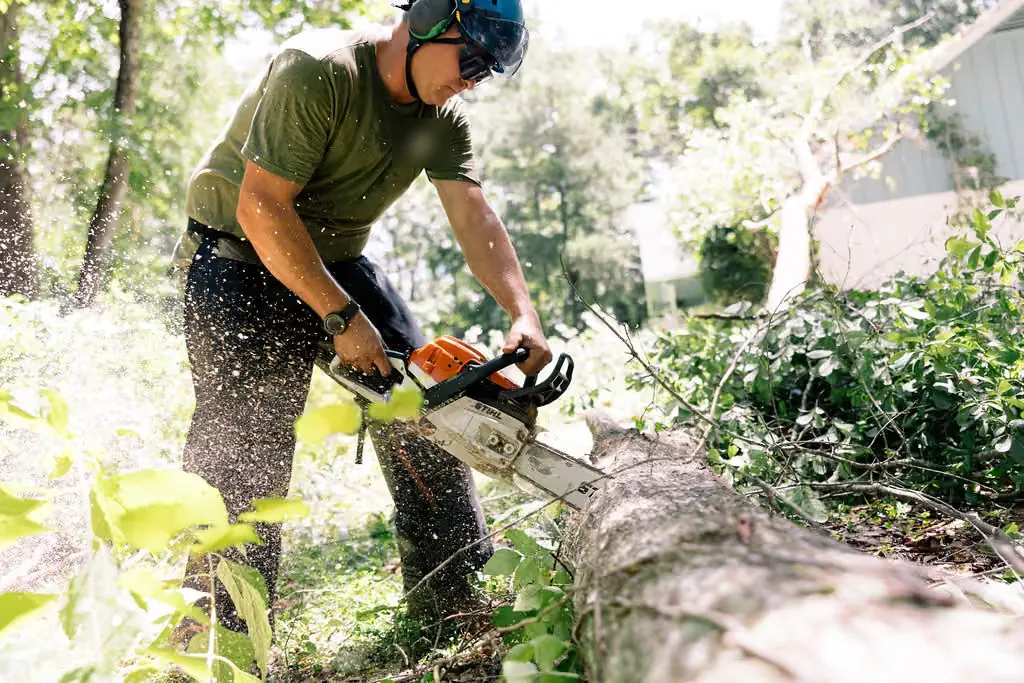
- Spots left after tree and stump removal
- Replacing a lawn full of weeds
- Areas where seed keeps washing out on slopes
- When you want a finished lawn fast
How we install sod
1. Remove old grass and weeds
Old turf and weeds are removed so the new sod sits on clean soil.
2. Fix the grade
We level low spots and make sure water drains away from the house. This matters a lot in our flat, clay soil areas where water likes to sit.
3. Prep the soil
The soil is loosened and topsoil is added where needed. Roots need loose soil to grow down into.
4. Lay the sod
Rolls are laid tight with seams staggered like bricks, so edges do not dry out and gaps do not form.
5. Roll and water
We roll the sod so it touches the soil, then soak it right away.
After install: watering is everything
New sod needs water every day for the first couple of weeks, sometimes more often in hot weather. Keep it moist but not flooded. Once you cannot lift the corners easily, the roots are taking hold and you can water deeper and less often. Stay off it as much as you can for the first few weeks.
Sod after tree removal
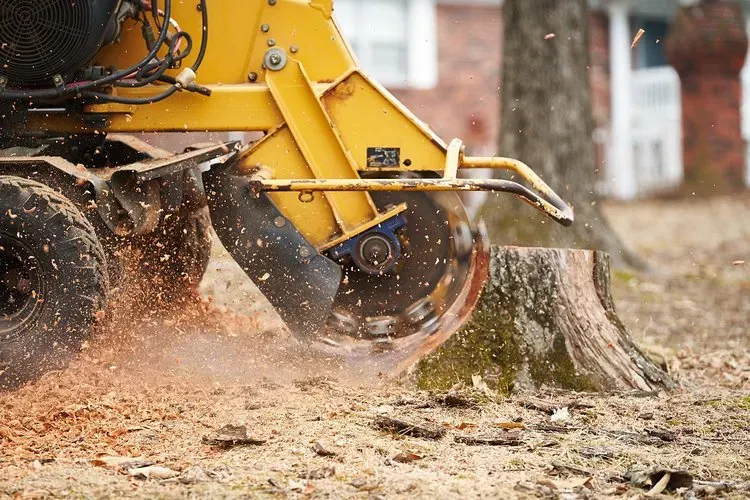
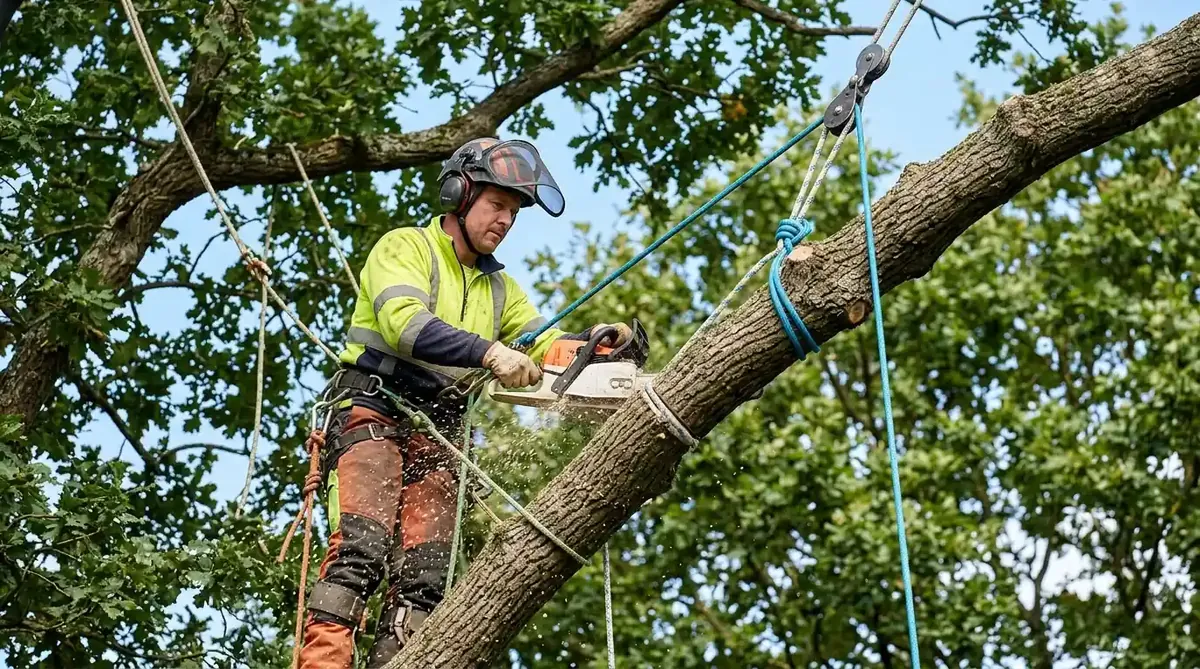
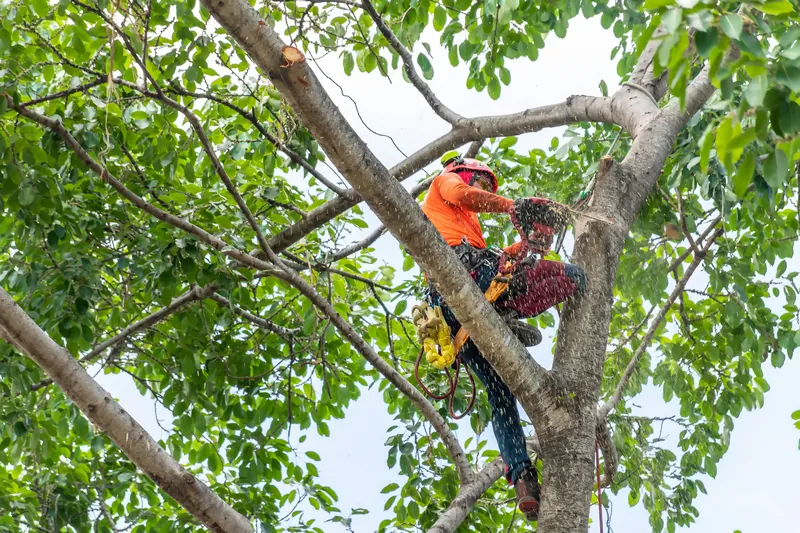
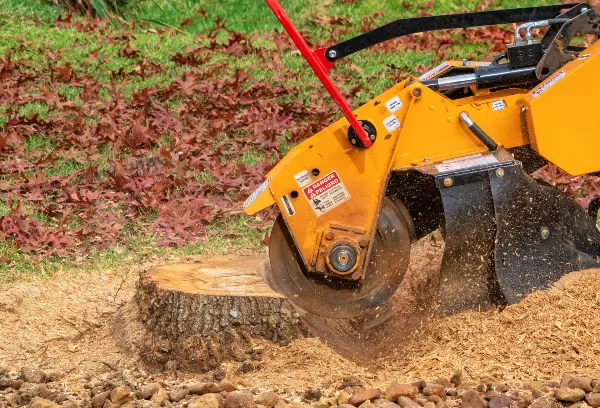
This is one of our favorite jobs because we can do the whole thing. We take down the tree, grind the stump, clear out the chips, fill with topsoil, and lay new sod. Fresh wood chips left in the soil can pull nitrogen and cause sod to turn yellow, so clearing them out matters.
Sod in shade
Most sod here is Kentucky bluegrass, which likes sun. Under heavy shade, sod often thins out. We may suggest raising the tree canopy to let in light, or a shade garden bed instead of grass.
Best time to lay sod
Spring and early fall are ideal. Sod can go down in summer, but it needs much more watering.