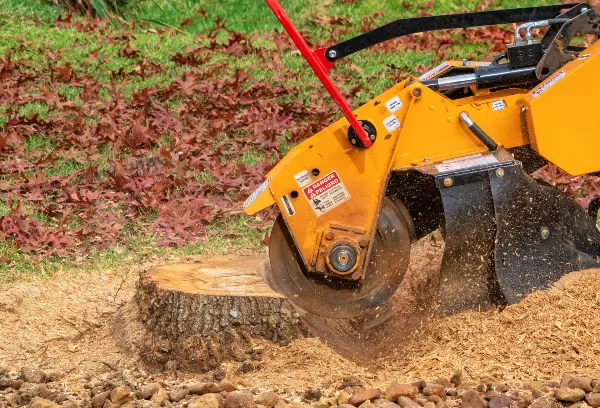
Signs a tree is dead or dangerous
- No leaves in summer, or leaves only on a few branches
- Bark falling off in large sheets
- Mushrooms or fungus growing at the base or on the trunk
- Deep cracks or splits in the trunk
- A trunk that is hollow or soft when tapped
- A new lean, or soil cracking and heaving on one side
- Lots of dead limbs in the top of the tree
- Woodpecker holes and tunnels under loose bark
If you see two or more of these, call us for a look.
The ash tree problem
The emerald ash borer is an insect from Asia that was found in Illinois in 2006. Its larvae tunnel under the bark and cut off the flow of water and nutrients. Once a tree is heavily infested, it usually dies within a few years. Ash trees were planted all over the Chicago suburbs, so many yards and parkways were hit.
Why dead ash is so dangerous
Dead ash dries out and becomes brittle fast. Limbs snap without warning, and the wood can be unsafe to climb after it has been dead a while. That means waiting makes the job more dangerous and sometimes more expensive.
How to spot an ash
Ash trees have branches and leaves that grow in pairs, straight across from each other, and compound leaves with 5 to 9 leaflets. The bark on older trees has a diamond pattern. Signs of the borer include small D shaped exit holes and thinning at the top of the tree.
Other hazard trees
Split and weak unions
Trees with two trunks joined in a tight V shape can split apart. Callery pears are famous for this.
Rot at the base
Fungus at the base can mean the roots are decaying. A tree can look green and healthy up top and still fall over.
Storm damaged trees
Trees that lost big limbs in a storm often have torn bark and open wounds that let decay in.
How we remove dead trees safely
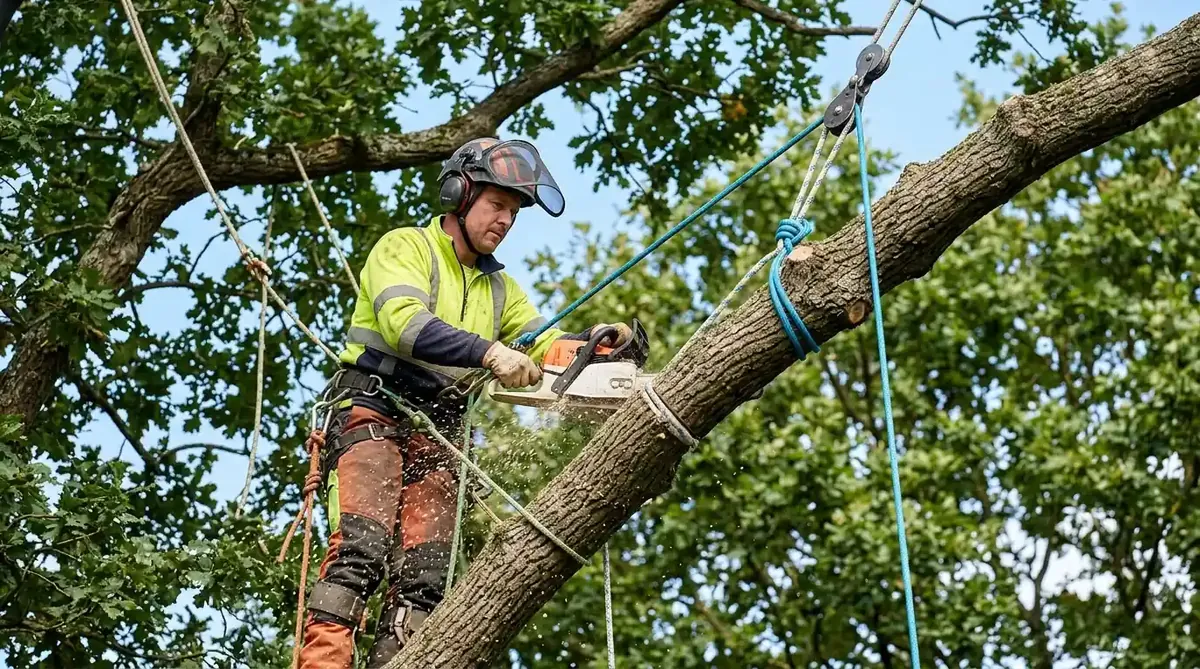
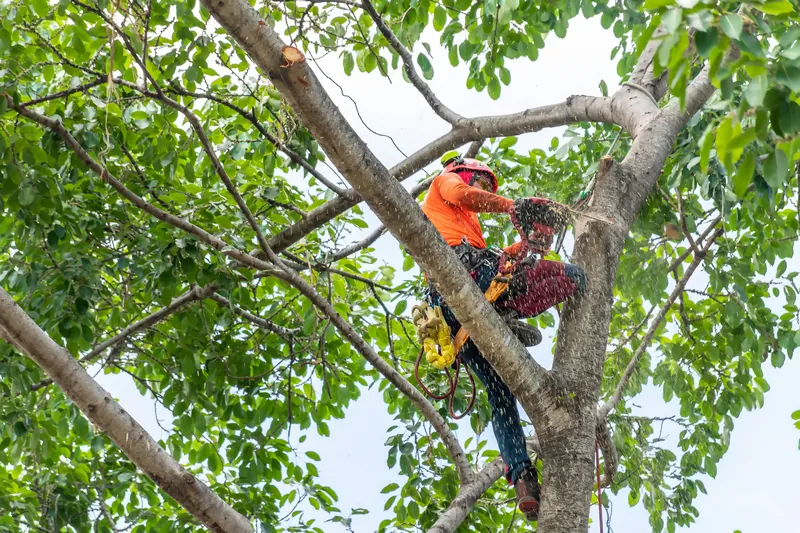
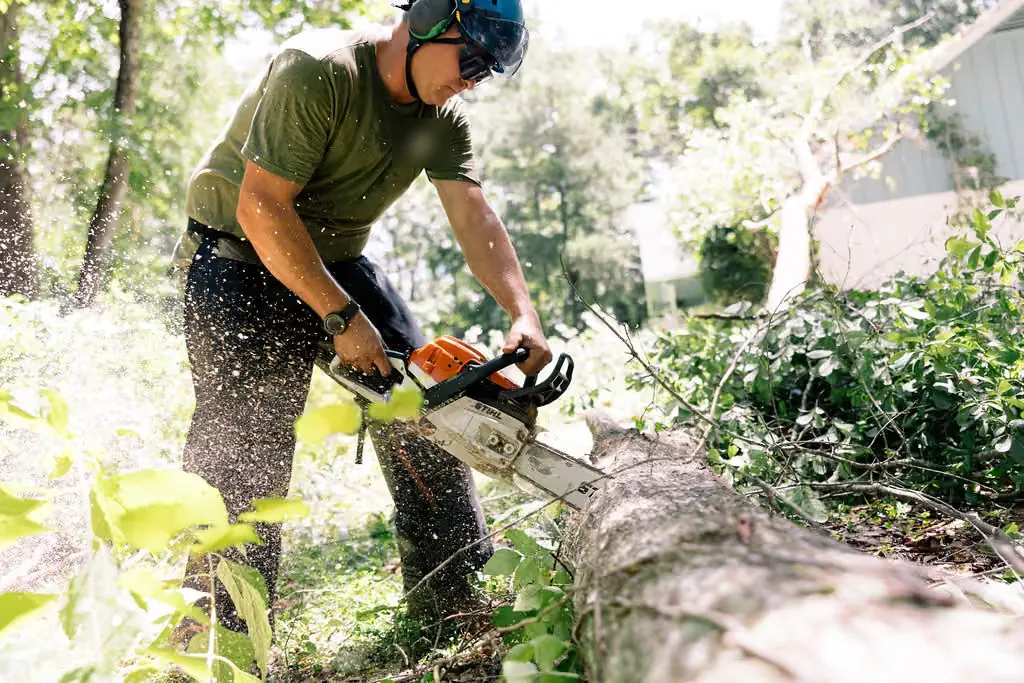
Every dead tree is checked before anyone climbs it. If the wood is solid enough, we climb and lower it in pieces. If it is too far gone, we use other safe methods to bring it down. Our goal is always the same: nothing hits your house, and nobody gets hurt.
See more about how we work on our tree removal page.
Replace it with something better
Losing a big tree hurts. The good news is that you can plant a tree that will last. Bur oak, swamp white oak, hackberry, and Kentucky coffeetree are strong choices for our area. Read our Illinois native trees guide or ask about tree planting.